
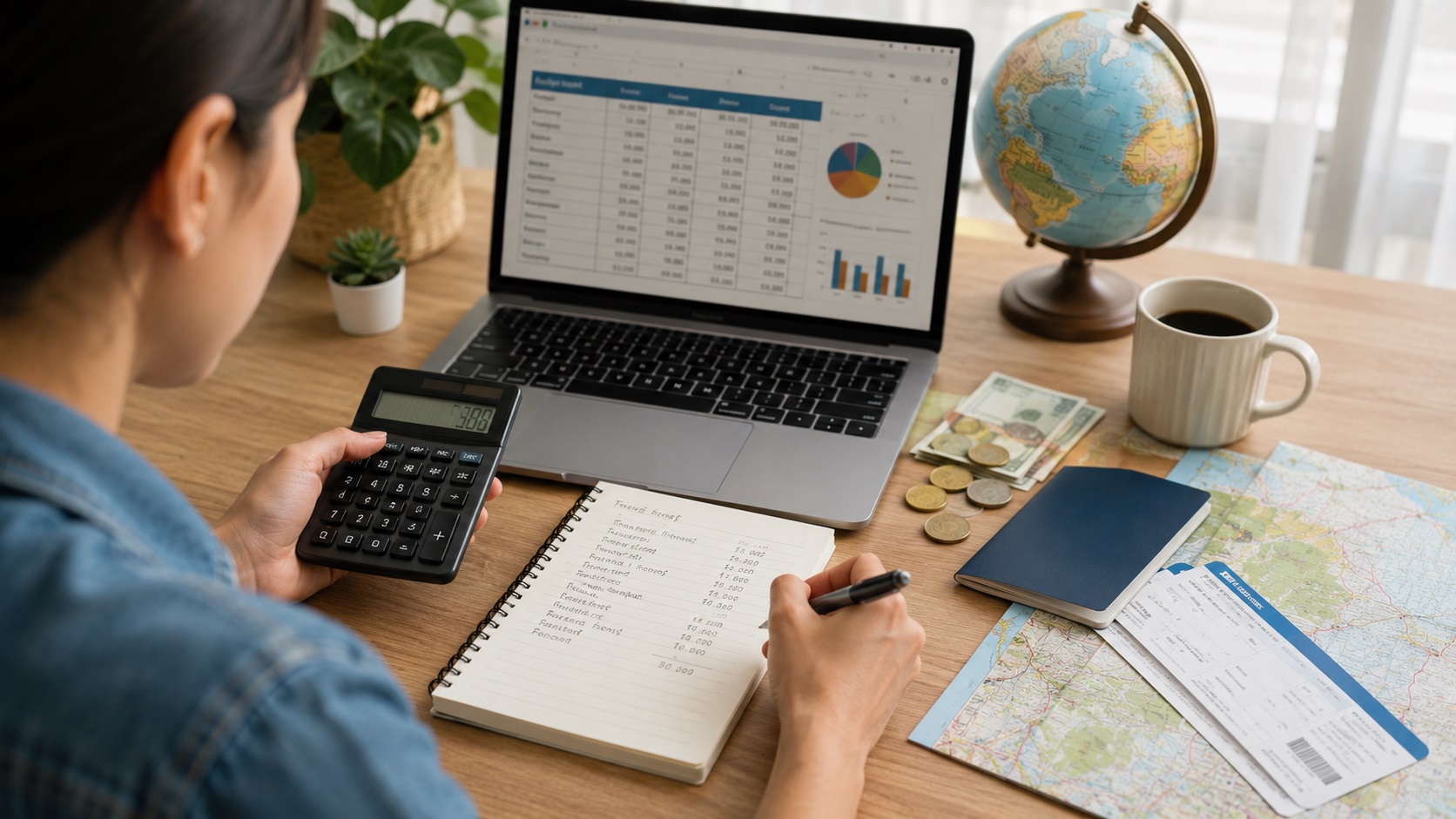
How to Set a Realistic Travel Budget Before You Book Anything
There’s a moment almost every traveler knows — you’re deep into browsing flights at midnight, you’ve got three browser tabs open, and somehow the whole trip has grown from “a quick weekend away” into a full itinerary with a price tag that makes your stomach drop. You close the laptop. You tell yourself you’ll figure it out later.
Later never comes. Or worse, it does come — two weeks into a trip you can’t actually afford.
Setting a realistic travel budget before you book a single thing isn’t about killing the dream. It’s about making sure the dream survives contact with reality.
Start With the Number You Actually Have — Not the One You Wish You Had
Most people do this backwards. They price out a trip first and then scramble to figure out how to pay for it. Flip that around.
Before you open any travel site, sit with your finances for ten honest minutes. Look at what’s left after your fixed monthly expenses — rent, bills, subscriptions, groceries, debt payments. What remains? Now ask yourself: how much of that are you realistically willing to put toward a trip over the next few months?
That number is your ceiling. Not a rough guess. Not “I’ll figure it out.” Your ceiling.
If it’s lower than you’d like, that’s useful information. It tells you to either adjust your timeline, shrink the trip, or find a way to set aside more each month before you book. None of those options are failures. All of them beat arriving home to a credit card bill that takes six months to clear.

Break the Budget Into Categories — Before You Think About Destinations
A travel budget isn’t just “flights + hotel.” The categories that trip people up are usually the ones they forget to plan for. Here’s a more complete breakdown:
Flights or transport to your destination. This one people remember, obviously. But they often book the cheapest option without checking baggage fees, layover times, or whether that budget airline charges for carry-ons.
Accommodation. Include taxes and service fees. A hotel listed at $80/night can become $110 once you check out. Booking platforms like to show the pretty number until the very last page.
Local transport. Taxis, trains, buses, rentals — this adds up faster than expected, especially in cities where you’re moving around a lot.
Food and drink. Be honest here. If you’re someone who enjoys restaurants and a glass of wine at dinner, budget for that. Don’t plan on street food every night if that’s not actually how you travel.
Activities and entrance fees. Museums, tours, national parks, day trips — these are often the highlight of any trip and among the most underbudgeted items.
Travel insurance. Non-negotiable if you’re booking anything far in advance or traveling internationally. A single medical emergency abroad without insurance can wipe out years of savings.
Miscellaneous and buffer. Add at least 10–15% to your total for the things you can’t predict: a SIM card, a checked bag you didn’t plan for, medicine from a pharmacy, that irresistible souvenir.
Research Costs for the Specific Destination
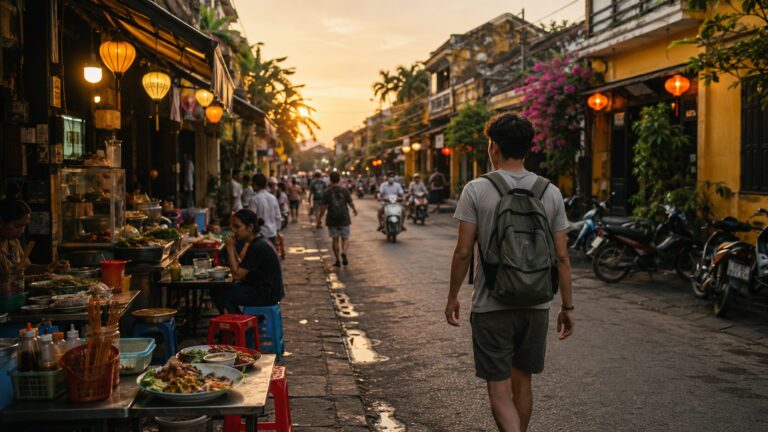
Travel budgets vary wildly by destination. A week in Southeast Asia costs a fraction of a week in Scandinavia. Knowing this before you fall in love with a destination is critical.
Spend an hour doing actual research — not just reading “Top 10 Cheap Destinations” listicles, but looking at real numbers. Check recent traveler forums, currency exchange rates, and the actual cost of a meal or a hostel bed in the places you’re considering. Websites like Numbeo give solid cost-of-living comparisons between cities. Reddit travel communities are great for candid budget breakdowns from recent visitors.
Also factor in the time of year. Peak season in a popular destination means higher prices for flights and accommodation, more crowds, and less flexibility. Shoulder season — the weeks just before or after the tourist rush — often delivers the same experience at significantly lower cost.

Decide What You’re Not Willing to Compromise On
Every traveler is different. Some people will sleep in a 10-bed dorm to save money and spend big on food. Others need a private room but are fine eating from markets and supermarkets. Some people don’t care about activities — they just want to sit on a beach.
Knowing your priorities shapes how you allocate money across categories. If staying somewhere comfortable is non-negotiable for you, budget for it and cut elsewhere. If experiences matter more than where you sleep, a basic room and a full activities list might be the right split.
The mistake is trying to be a budget traveler in every category and then resenting the trip because nothing met expectations. Be honest about what you actually enjoy.
Account for the Costs Before and After the Trip
People often think about what a trip costs while they’re on it. They forget about everything around it.
Before you go: Visa fees, vaccinations or medication, new luggage or gear, any clothing you buy for the trip, airport parking or transport to the airport.
After you return: Currency conversion leftover, any souvenirs you bought with a credit card that hasn’t been paid off yet, and sometimes just the reality that coming home to an empty fridge means a grocery run or a takeaway order.
These aren’t huge costs individually, but they’re real ones. Build them in.
Use the Right Tools to Track It
Once you’ve set your budget, you need somewhere to put it that isn’t just your memory. A basic spreadsheet works well — one column for budget, one for actual spend, broken down by category. There are also dedicated apps like Trail Wallet or TravelSpend that let you log expenses in real time while traveling.
The goal isn’t obsessive tracking. It’s awareness. Knowing that you’ve spent two-thirds of your food budget by day three gives you useful information while you still have time to adjust.
Book Strategically, Not Impulsively
With your budget in hand and your research done, you’re now in a position to actually book — and to make decisions rather than just react to whatever pops up.
Book flights early for popular routes, especially during peak periods. For accommodation, read cancellation policies carefully. Flexible bookings often cost slightly more but protect you if plans change. Compare prices across multiple platforms and always check the property’s direct website before confirming — they sometimes offer better rates.
Avoid booking everything in a rush of excitement. A 48-hour wait between “I found something” and “I booked it” has saved more people money than any deal-hunting tool ever has.
A Budget Is a Plan, Not a Prison
The goal of all this isn’t to drain the joy from planning a trip. It’s the opposite. Knowing exactly what you can spend — and having thought it through honestly — means you can enjoy every part of the trip without the background hum of financial anxiety.
Trips with clear budgets tend to be more satisfying. You make decisions with confidence. You’re not constantly doing math in your head at dinner. You come home without regret.
That’s worth more than any travel hack or last-minute deal.





One Comment